
The second lamborghini model
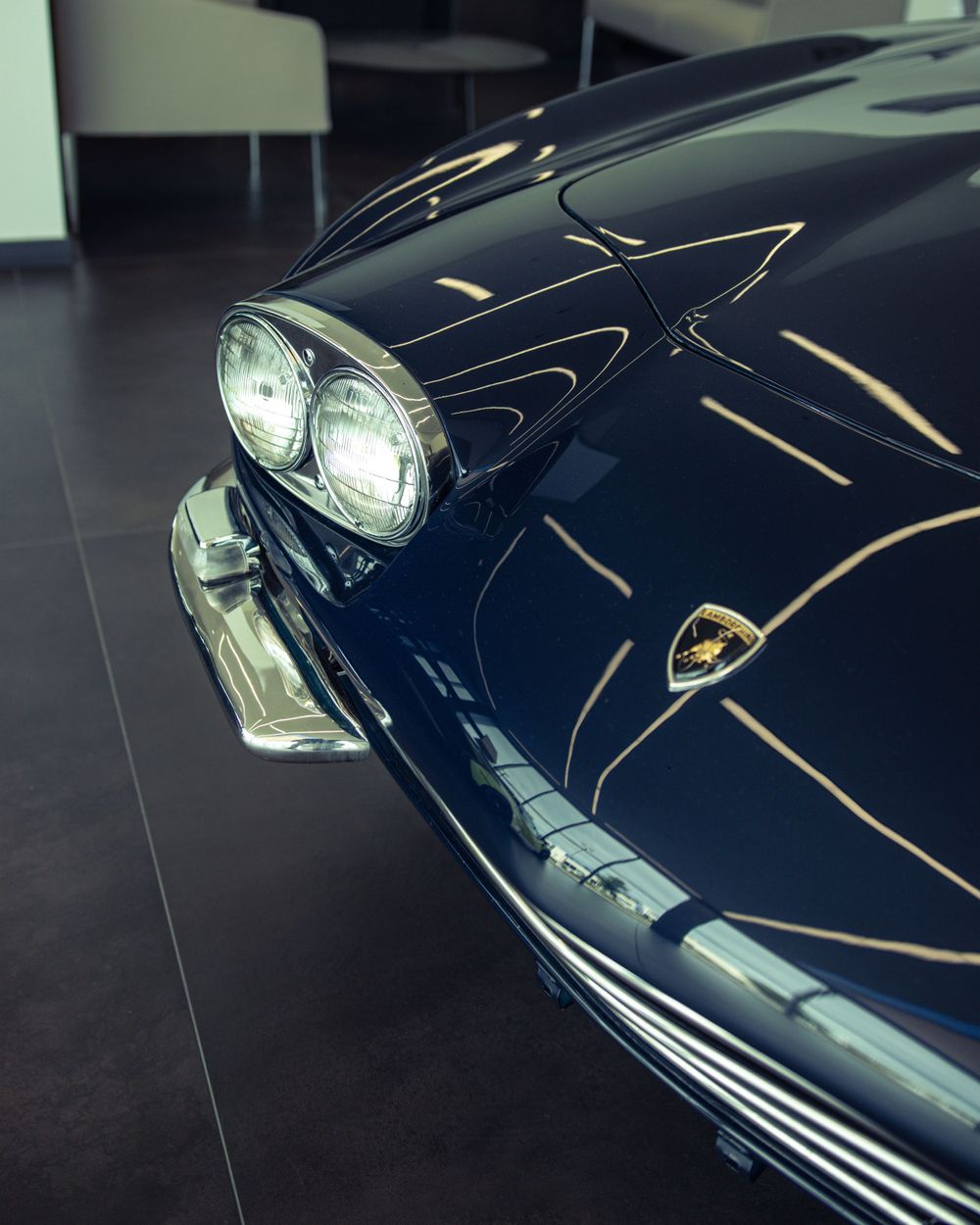
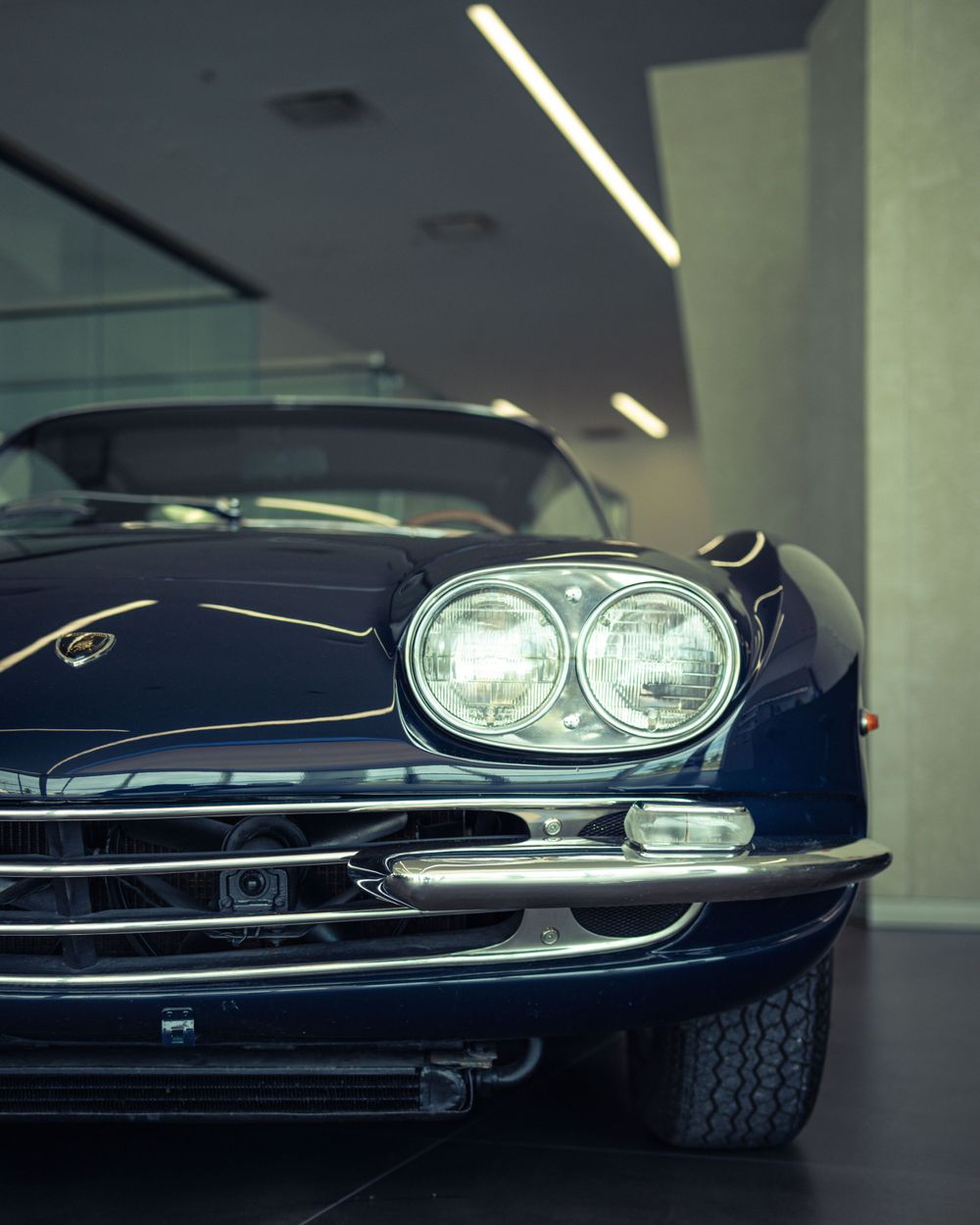
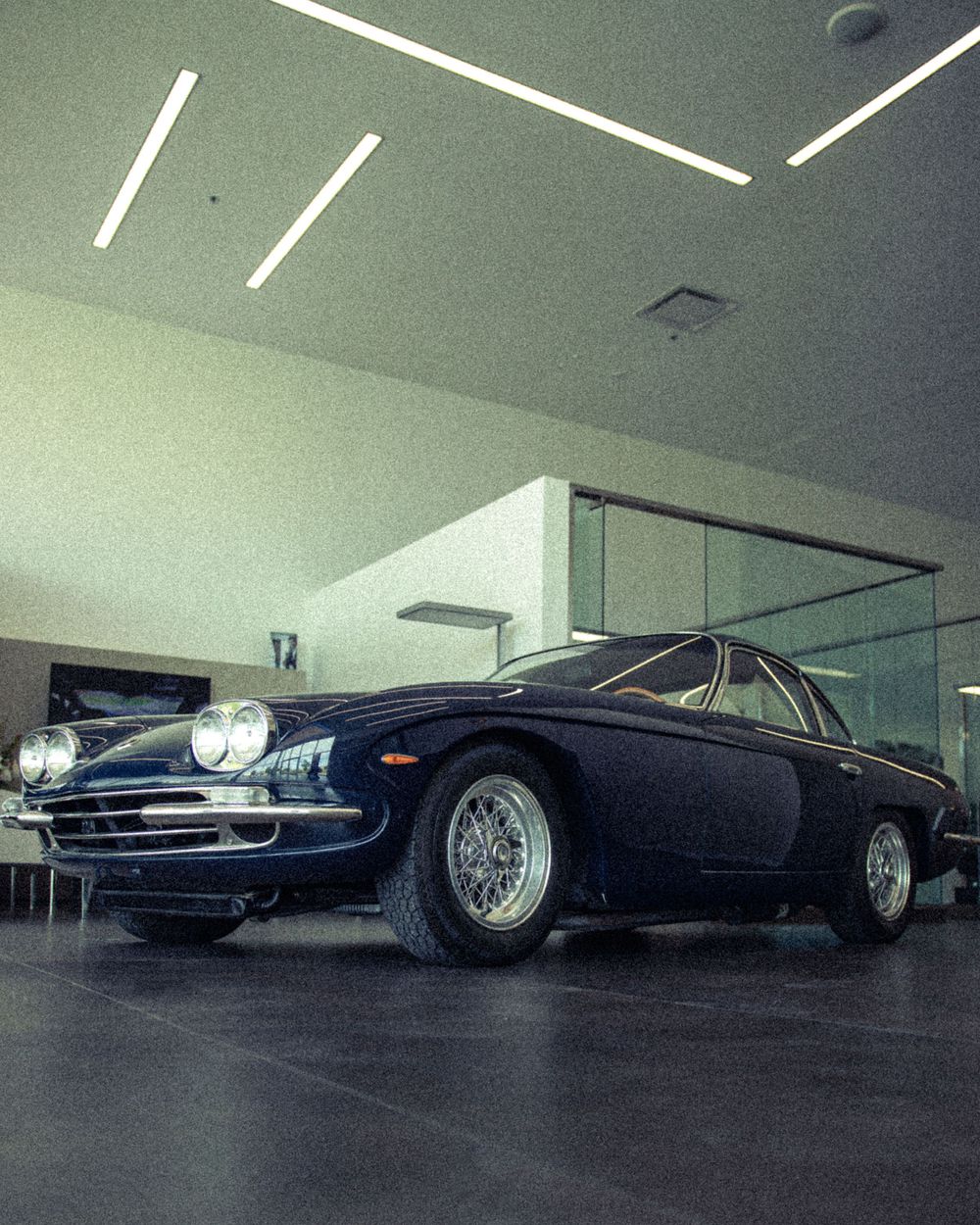
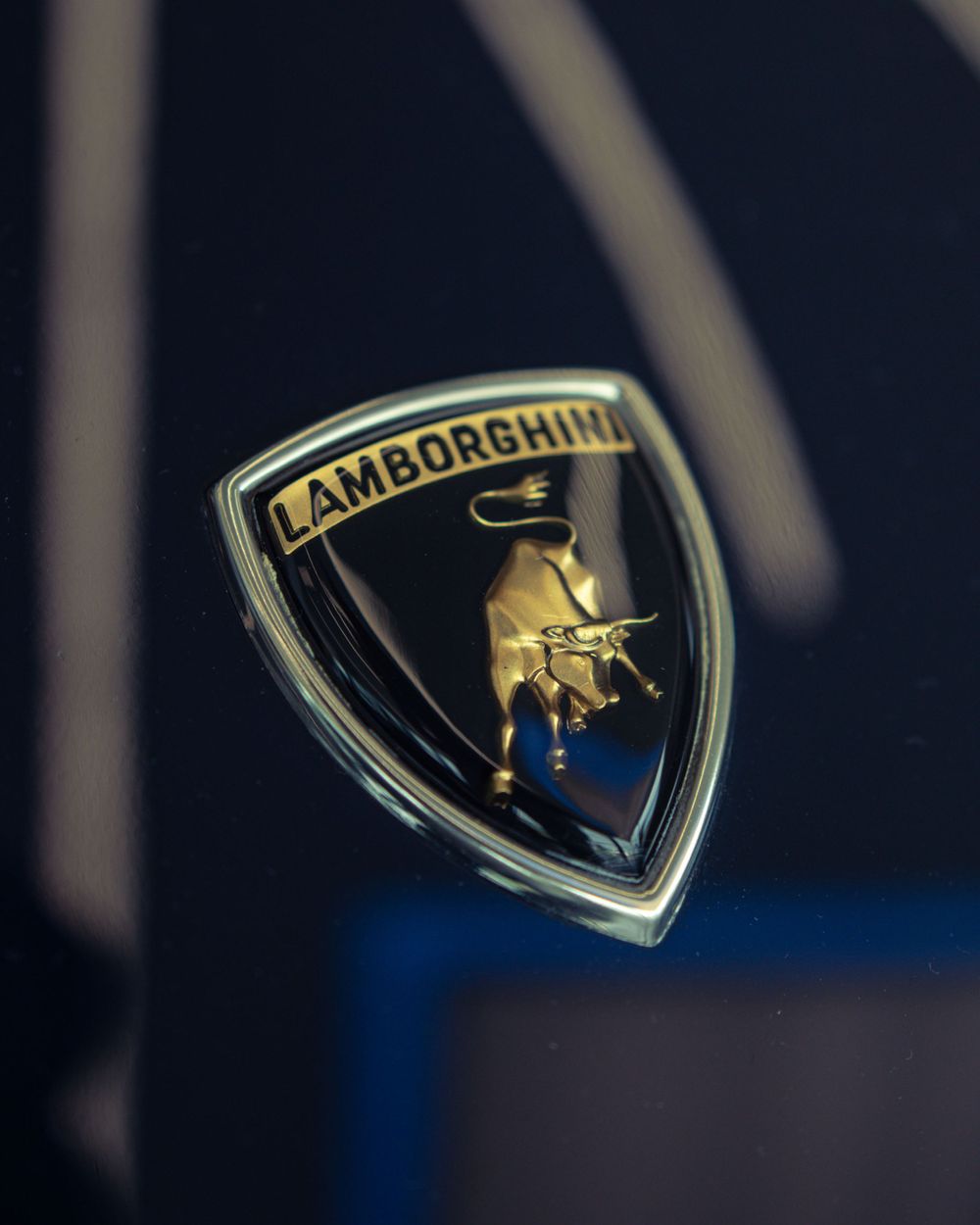
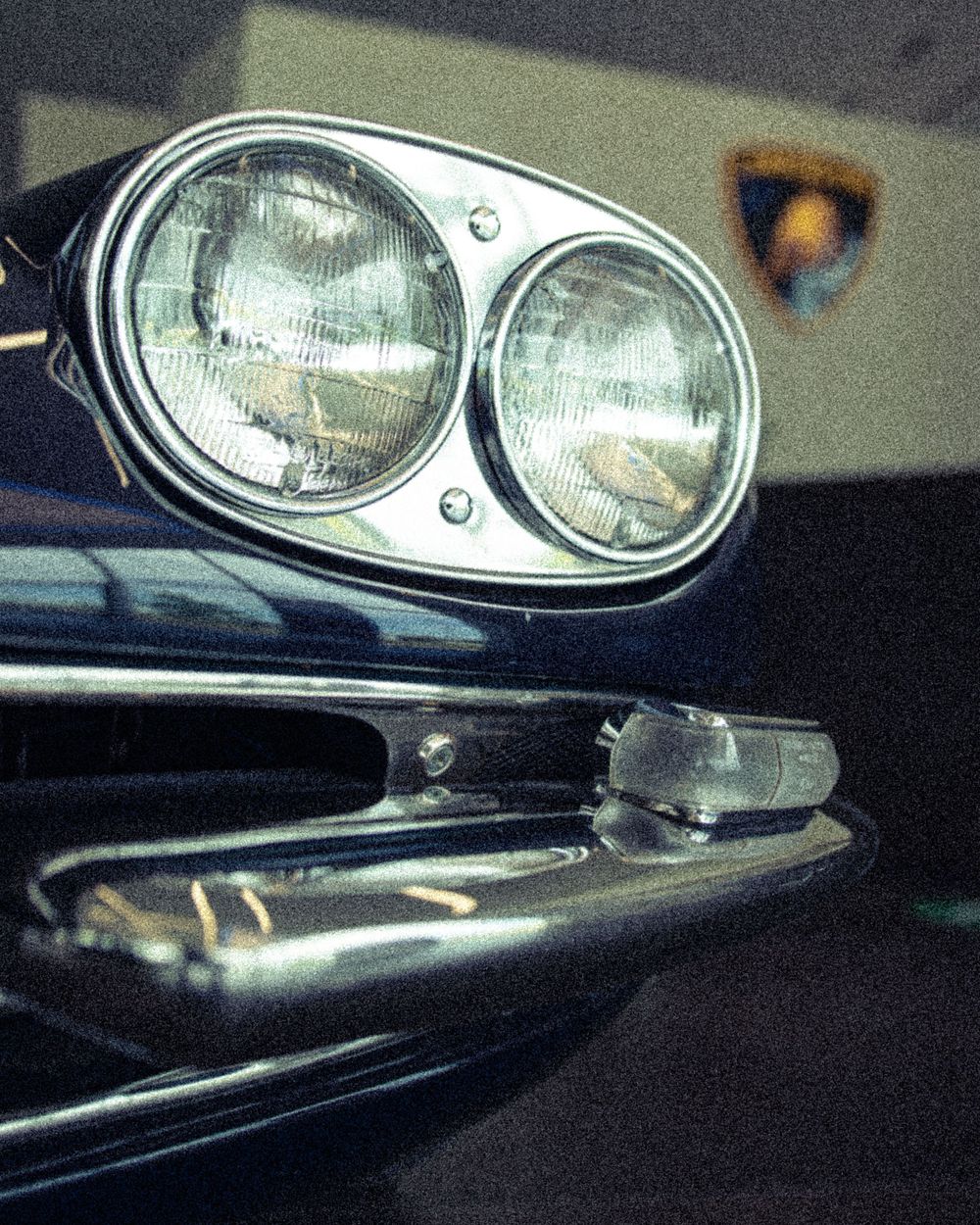
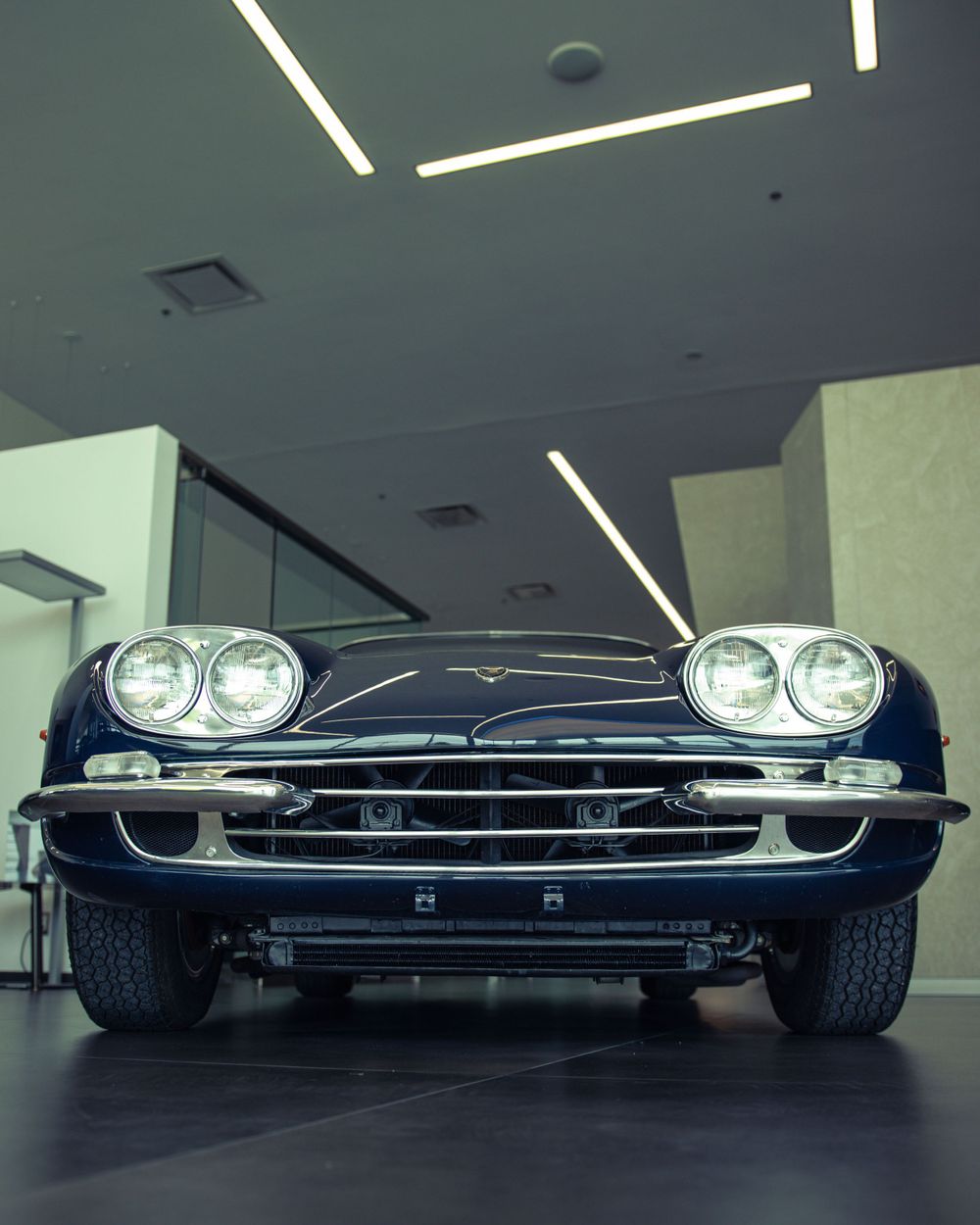
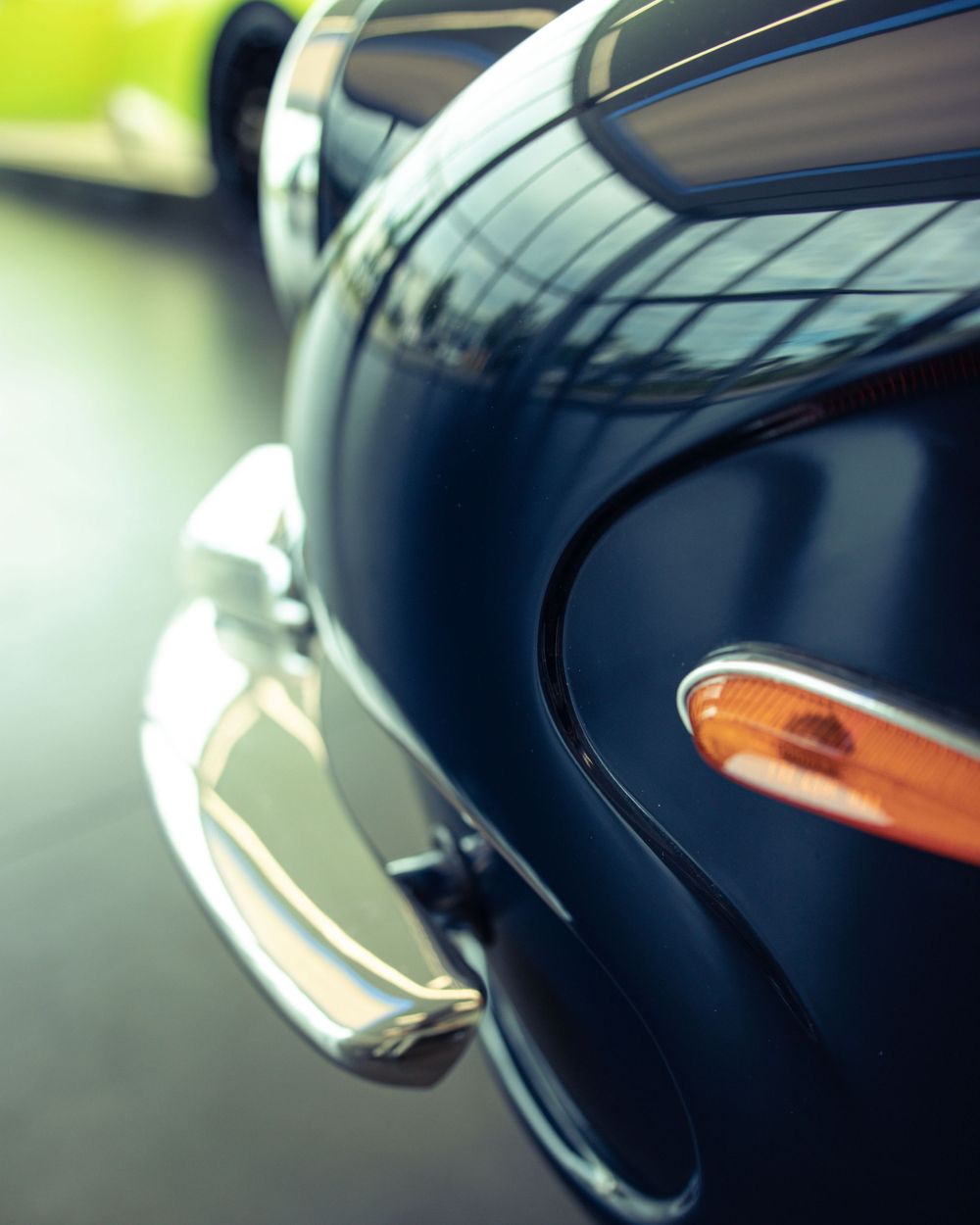
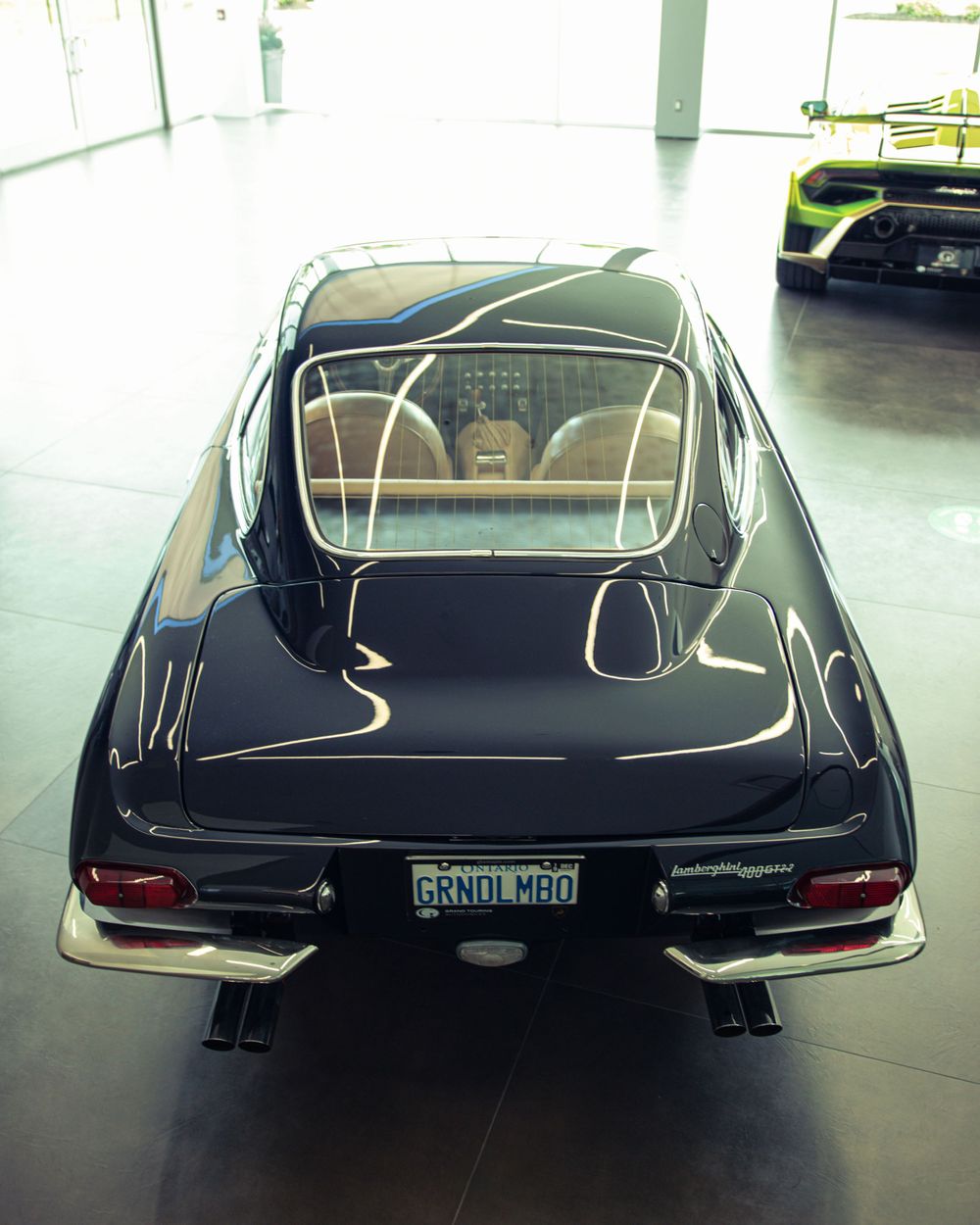
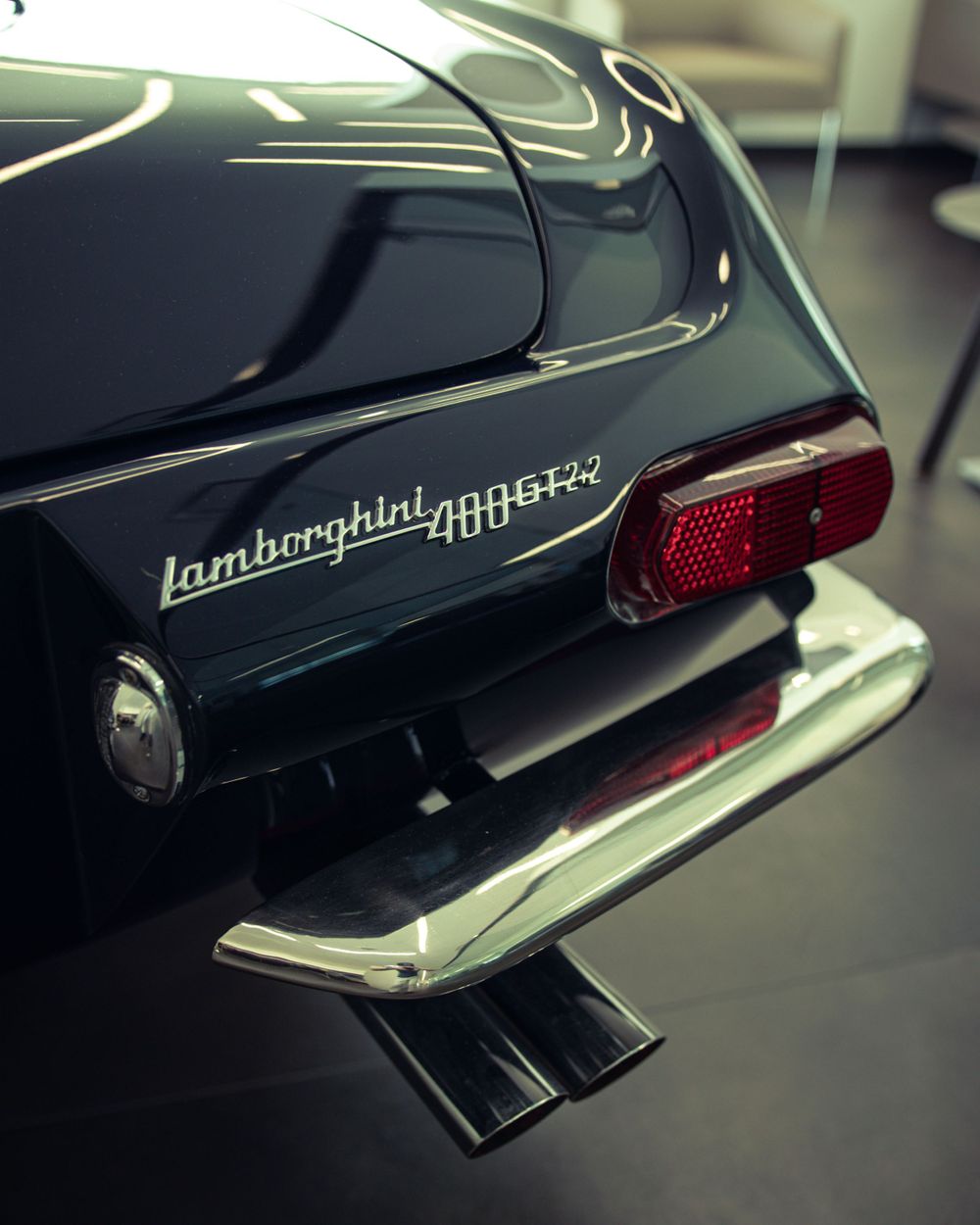
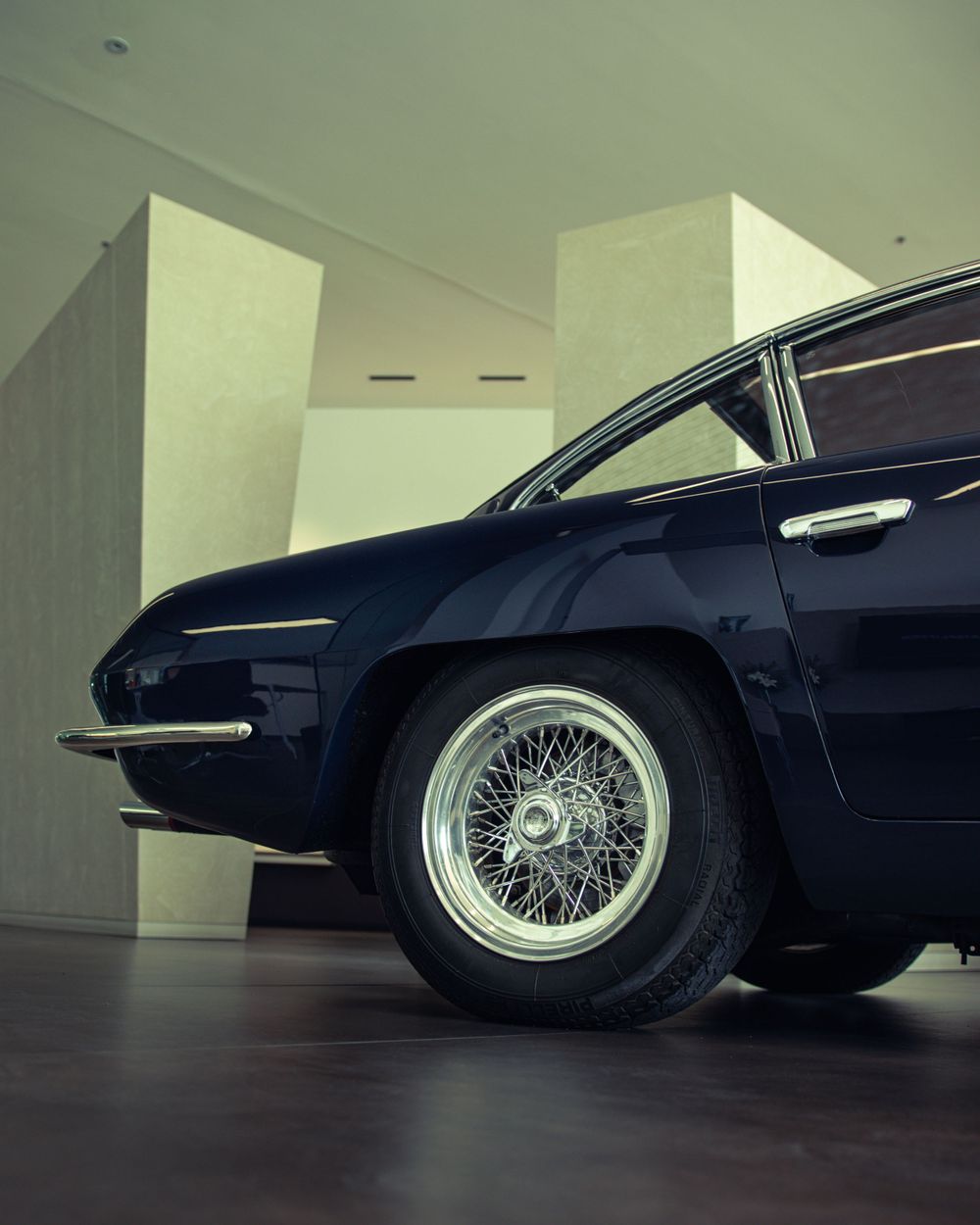
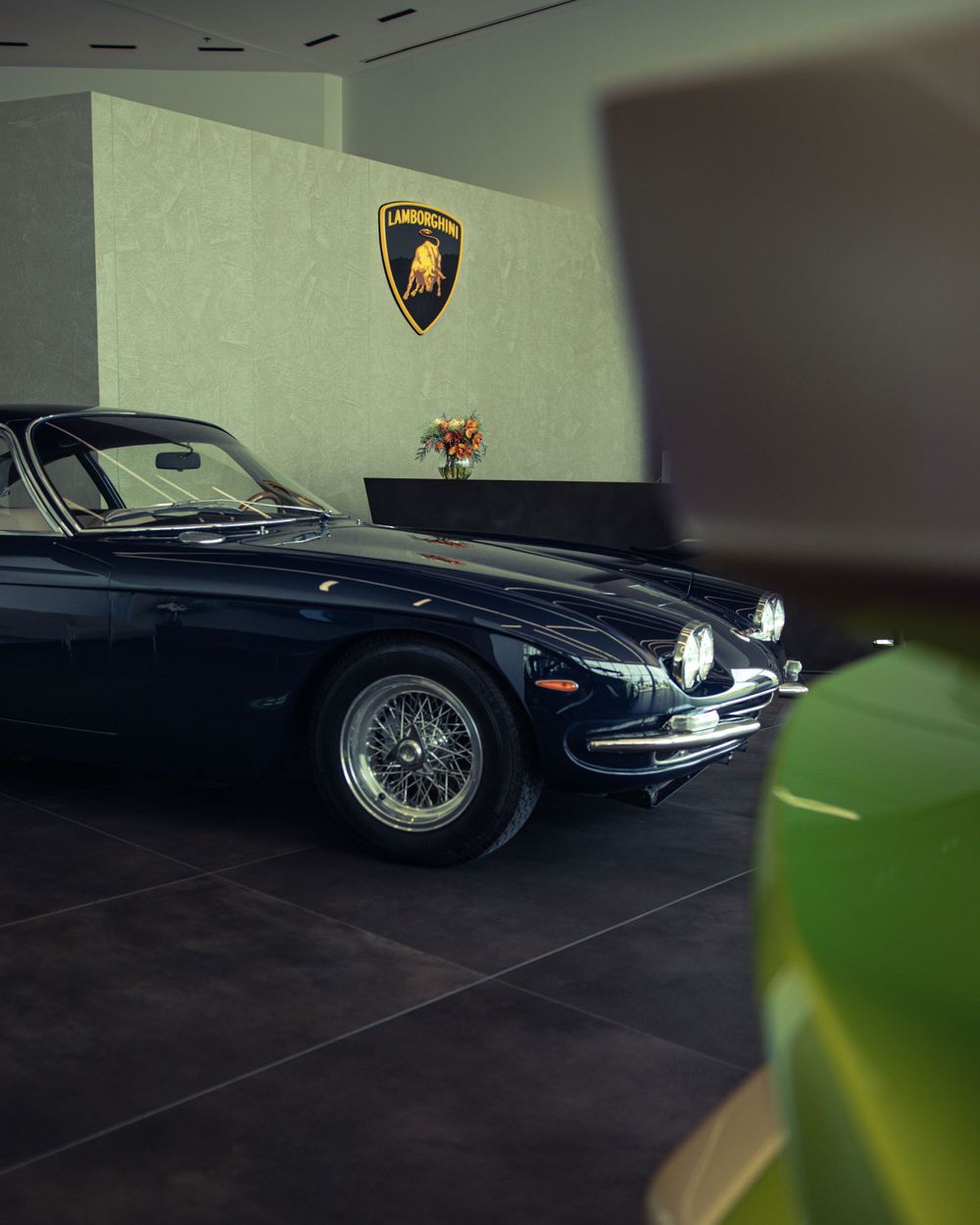
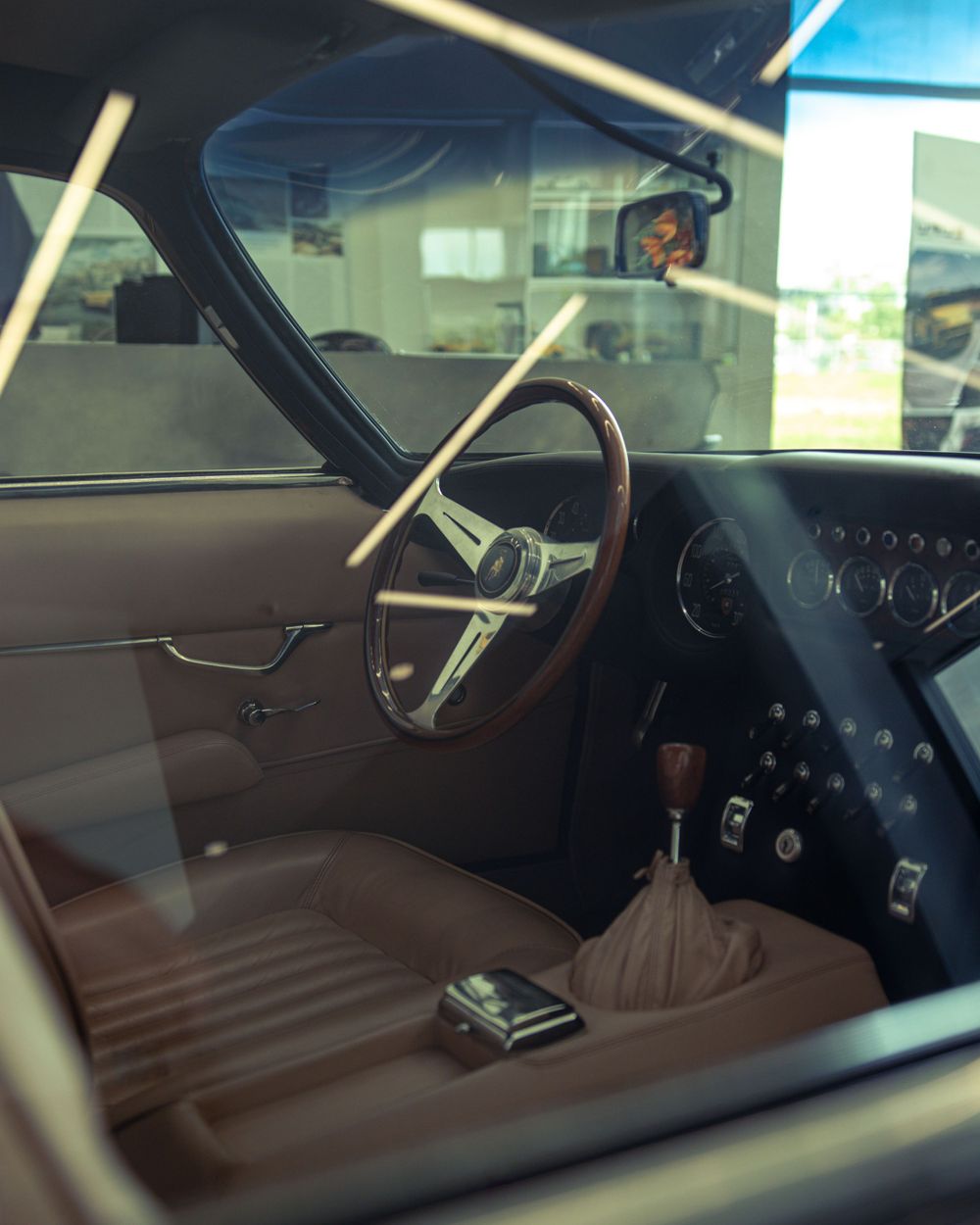
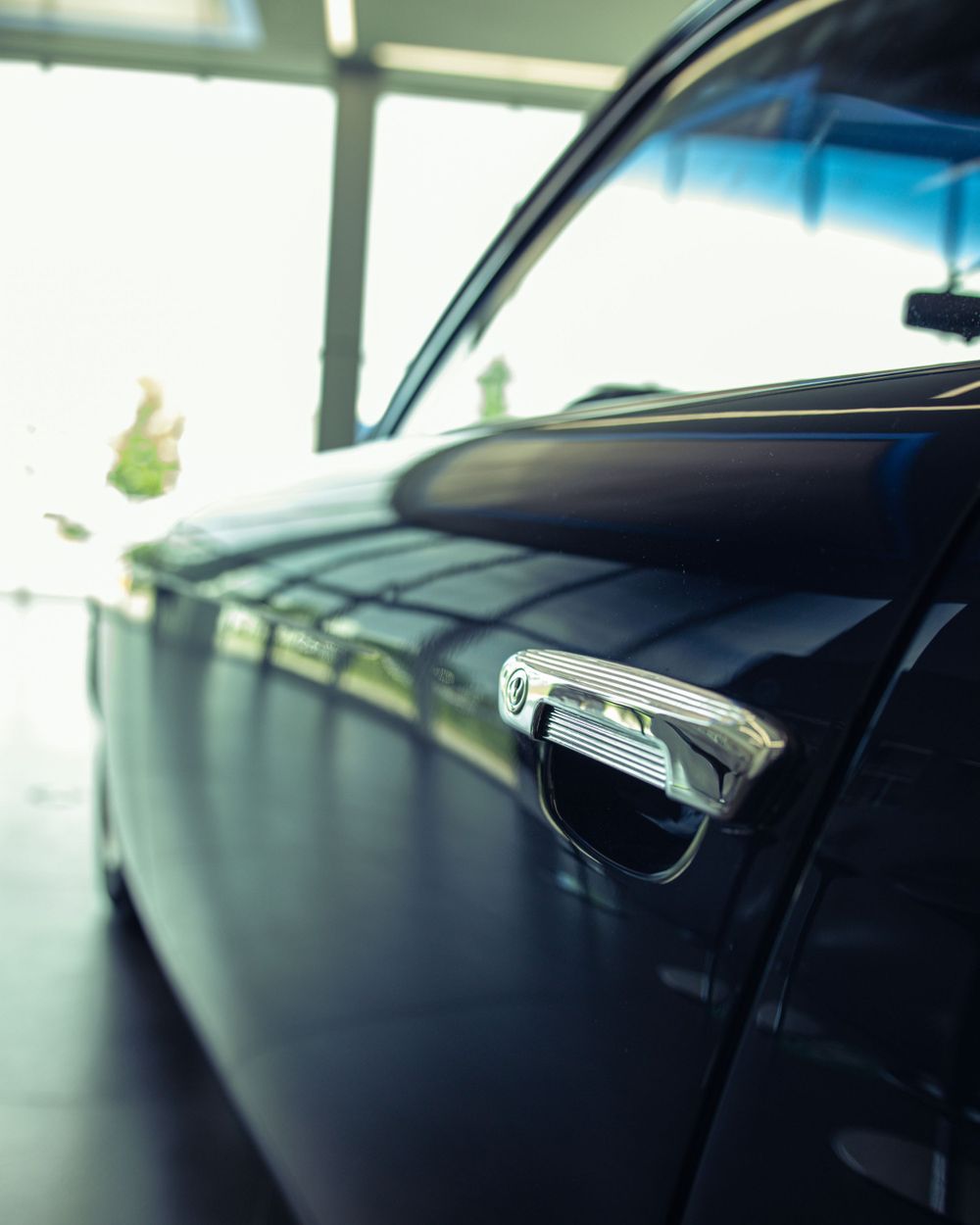
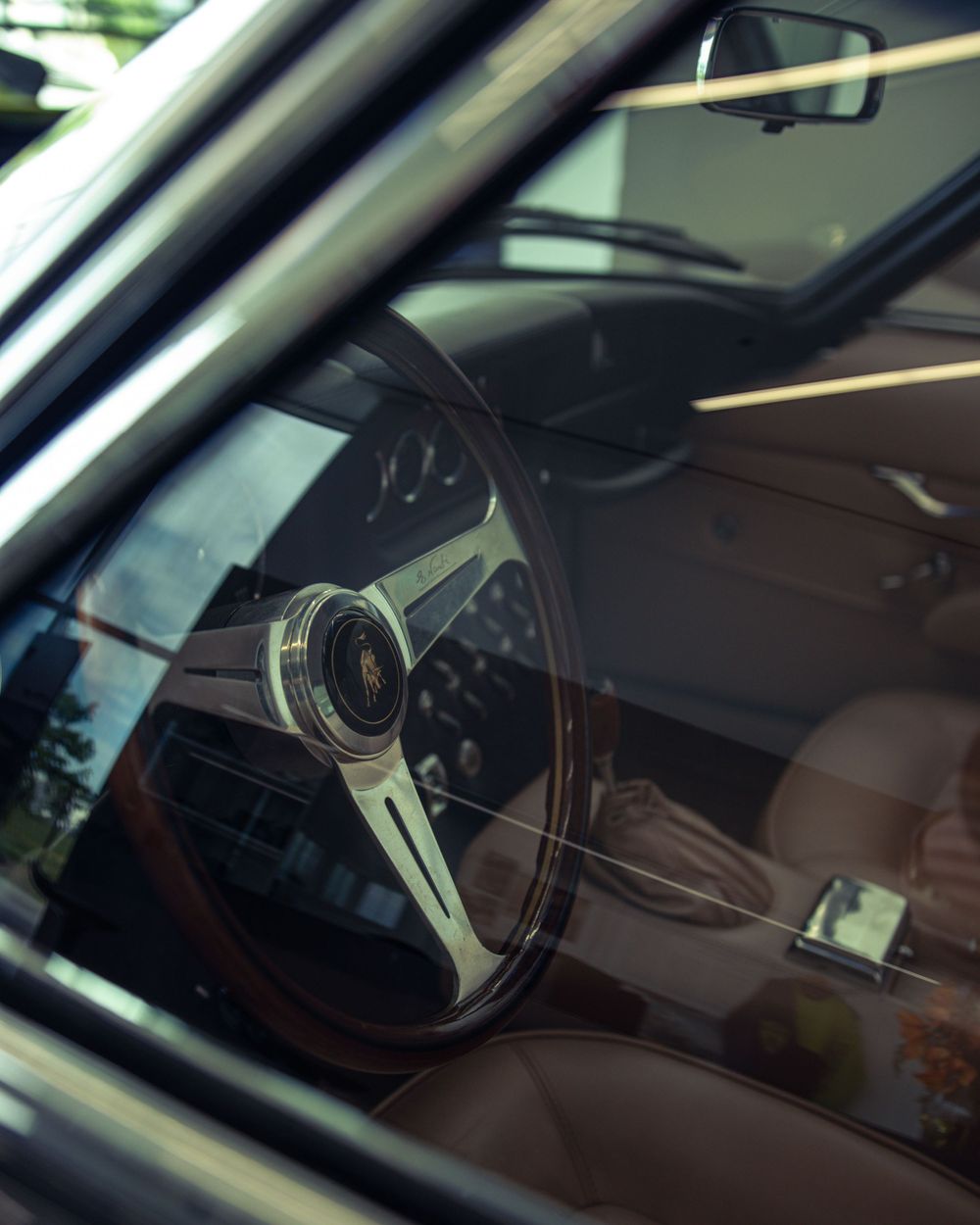
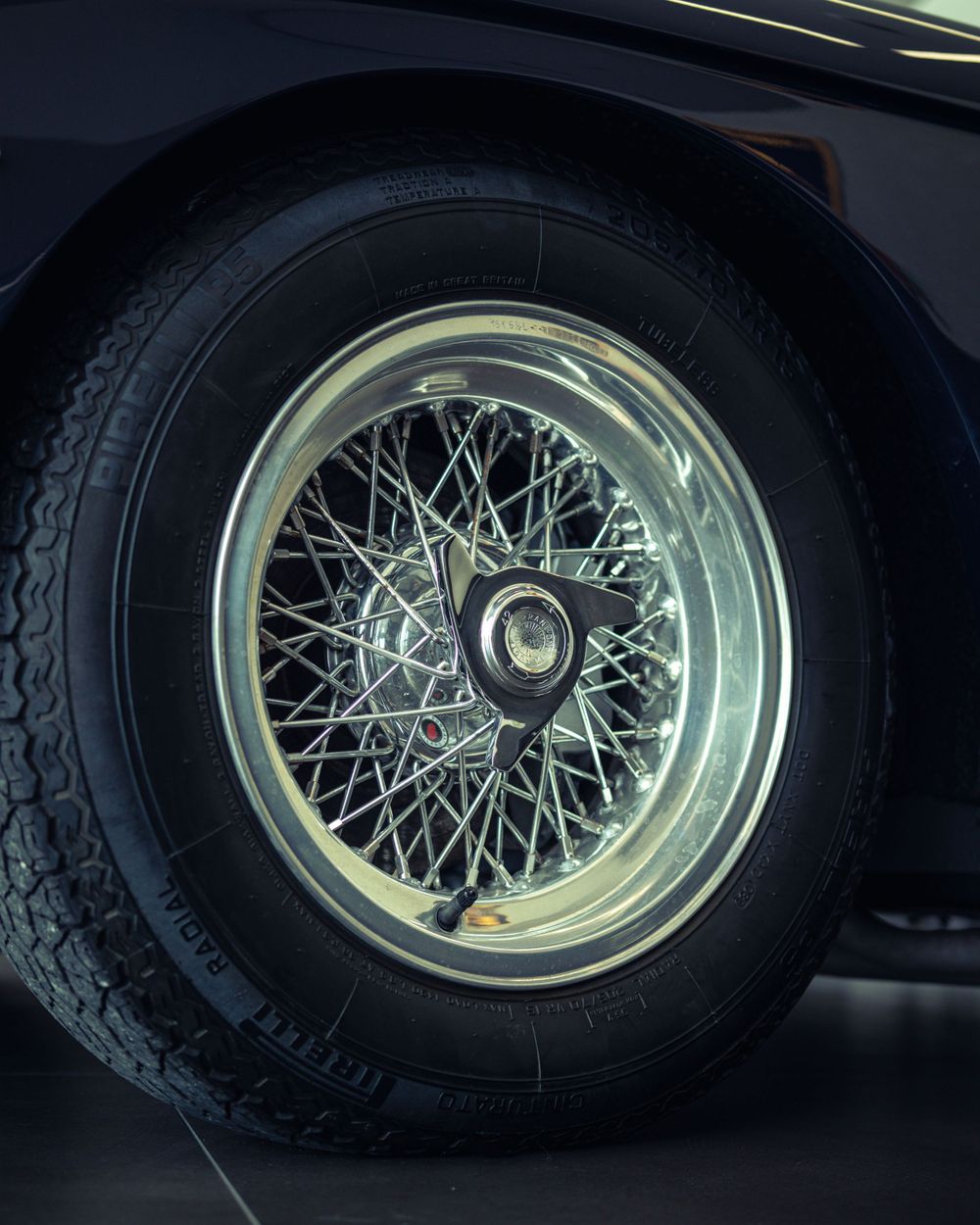
The Lamborghini 400 GT 2+2 was the successor to the original & first Lamborghini production model, the 350 GT. The 400 GT was revealed at the 1966 Geneva Autoshow and was produced between 66' and 68' running a total of 225 units. A 3.9L Naturally Aspirated Bizzarrini V12 was the heart of the beast and with a 320 HP/276 LB-FT of torque engine, and a 168 MPH top speed, it wasn't too shabby for a 1966 model. Ferruccio wanted to build smooth running, grand turismo type vehicles and the 400 GT was both of those as well as a "Spacious super sports car". It was the first four seater Lamborghini ever built, but we will read about how the Bizzarrini V12 began and built Lamborghini's legacy.
350 gt vs 400 gt
350 GT was an all aluminum body, which they changed to an all steel body for the 400 GT
The back seats in the 400 were 65 mm taller to compensate for the passengers and had a modified luggage cover
Dials and Switches were upgraded as well as the dash
5 Factory built RHD were created, which was a first for Lamborghini
Production was taken over by Marazzi in 67' and is responsible for most of the 400 GT's
The 4L V12 was transferred over from the final 23 units of the 350 GT
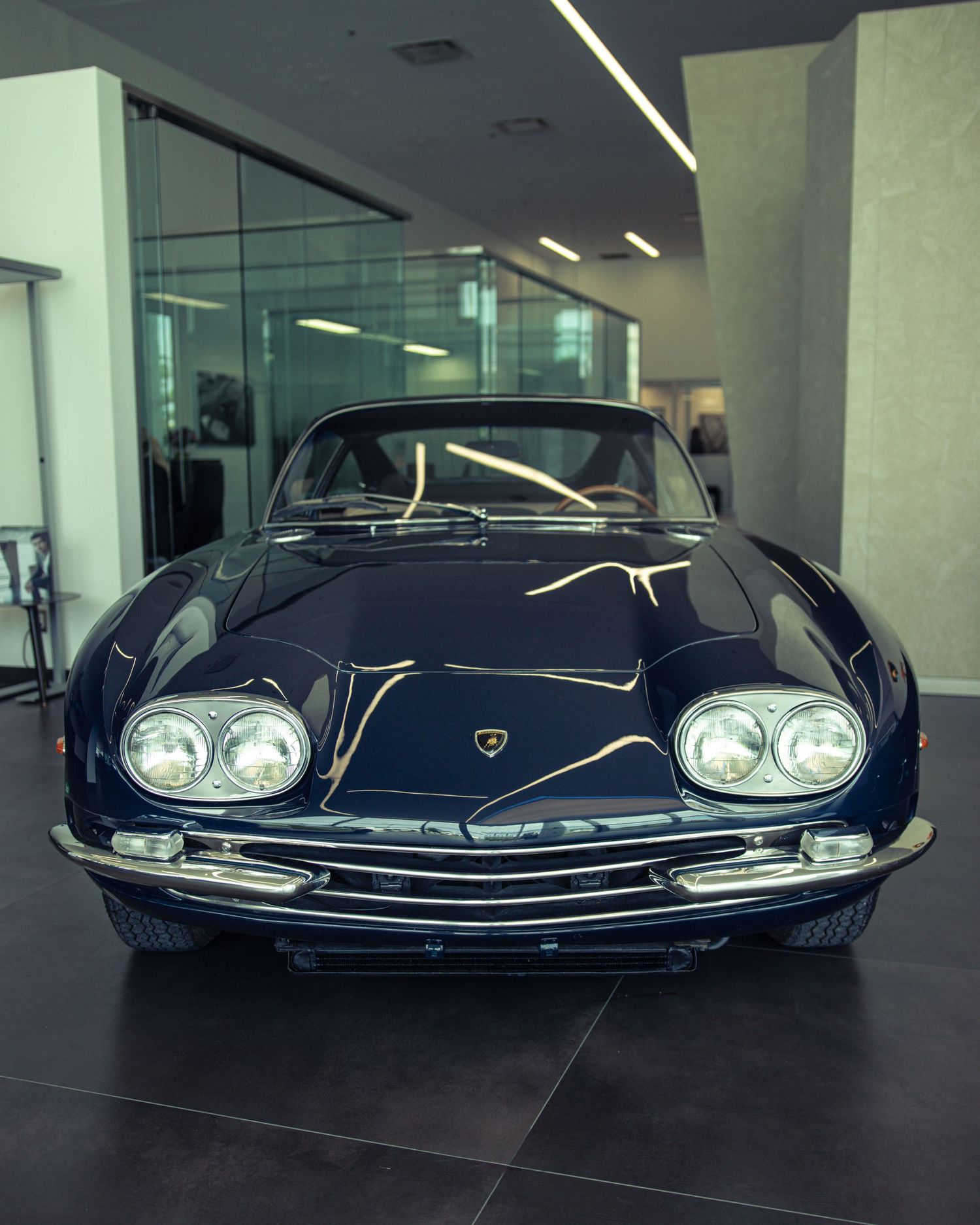
Lamborghini & Bizzarrini v12
There are a few theories as to how Lamborghini truly started, of course there’s the original “Enzo told Ferruccio he could never drive something as eloquent as a Ferrari”, in 1981 Interview however, Ferruccio said he had owned 3 Ferrari’s by the 1960’s and was always wearing out their clutch & when he took them back to Enzo he said “You don’t have the slightest idea of how to drive a Ferrari, you’d rather drive your Tractors” and so his mission was to then, crush Ferrari.
Ferruccio was an engine lover, always working on them since youth. However, when he was to create Lamborghini, he chose to hire Giotto Bizzarrini as his first employee. His past consisted of a stout at Alfa Romeo, the 250 GTO and in 61’ he was part of a mass walkout in Maranello.
The Inline six offered the most balanced option as the primary vibrations of the pistons cancel each other out to create a smooth firing engine. Packard engineered the V-12 in 1915 and getting into the science of it, A four stroke V-12 creates a power pulse every 60 degrees of crank rotation, accompanied by other factors makes a minimal vibration engine. Another reason to build a V-12 was to flaunt wealth in Italy. An oppressive tax on engine displacements meant that owning or building a V-12 engine, would title you the King of Autostrada. Plus, Ferrari had V-12’s in the Lineup and that was the competition.
Bizzarrini was tasked with designing and building a V-12 consisting of four camshafts, six carburetors, over square configuration (bigger bore relative to the stroke which allowed for better breathing and higher revs). The request on behalf of Bizzarrini was a fixed fee to match Ferrari’s 300 HP and a generous bonus for every 1 horsepower produced over that. Agreeing on the terms, Bizzarrini set out to build a highly powerful peak horsepower 1.5L V12 that would match the standard of grand prix racing engines. Lamborghini wanted a bigger & badder V12 than anyone, so whatever Ferrari’s build was, he wanted more cams, more carbs and more power.
Variable valve timing wasn’t a technology back then so Bizzarrini had to choose to either have high revs or a smooth idle, and obviously he chose high rpm. Because of the quad cams, the V-12 had huge cylinder heads meaning there was no place to put the intake ports in the vet so they were placed between the cams with the spark plugs and head studs. This made the fitting of horizontal & vertical side draft carburetors possible which allowed Lamborghini to have a more modern, wedge shaped body on their models for years to come. When all said and done, Bizzarrini had created a monstrous 360 HP engine @ 8000 rpm, meaning he would collect that generous bonus per hp times 60. Ferruccio said that he had built a racing engine that would make 360 HP in an unrealistic test, they had an argument and parted ways in 1963.
The following hire was a man named Gian Paolo Dallara, a 25 year old aeronautical engineer who had been with the likes of Ferrari & Maserati. Dallara went to work on designing a car around the engine, another ex-Maserati Paolo Stanzani was tasked with taming the 360 HP V12. Once that job was complete, through a few tweaks, Lamborghini’s designer Franco Scallion was to draw up a prototype for the 1963 Turin Motorshow. The 350 GTV was the product, but when that evolved into the 350 GT, Ferruccio was ready to take it into production and created 120 units. Dallara made a few more changes because of oil issues upon startup along with the addition of a power steering pump. This engine layout and design was fairly consistent through the 350 GT, 400GT, Islero, Espada & Jarama but after their run of front engine designs, the Miura was next in kicking off the type of car Lamborghini will be known for in History.
Credits
https://www.lambocars.com/400-gt-22/
https://www.lamborghini.com/en-en/history/400-GT
https://www.hagerty.com/media/magazine-features/lamborghinis-first-v-12-lived-large-for-48-years/
